
Cross-Cultural Counselling | Praxis Akrivos
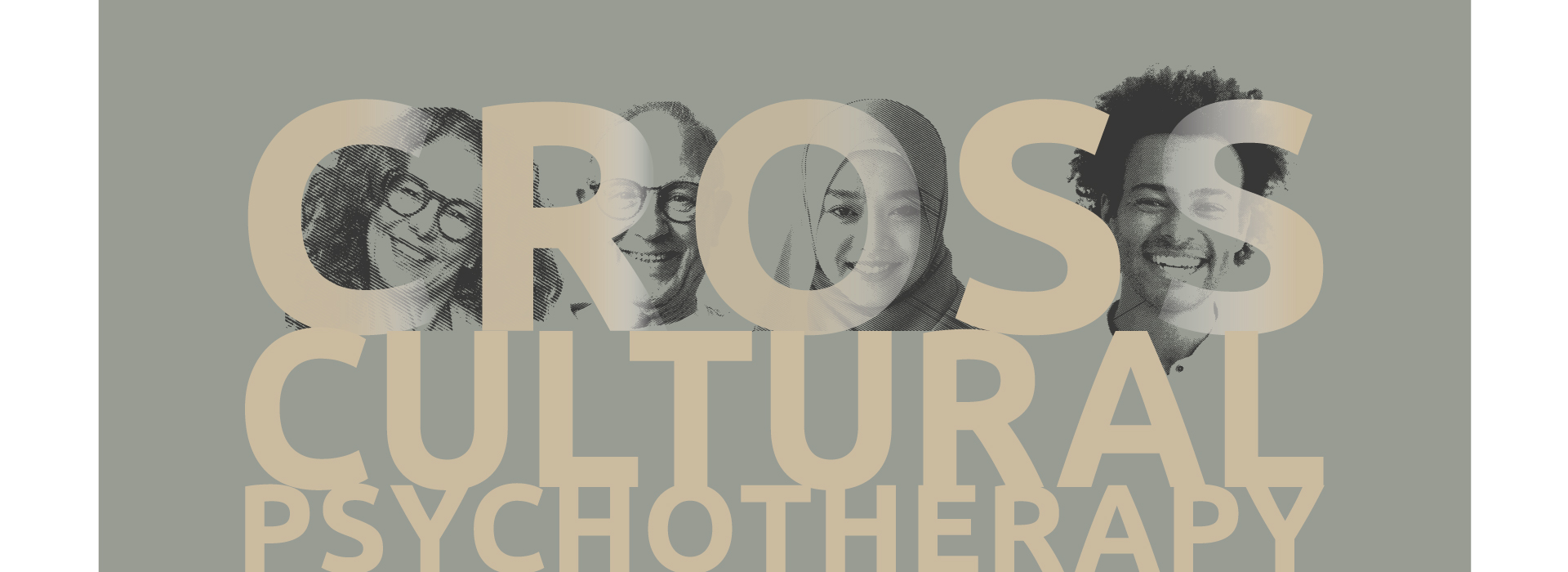
Being an Adult Third Culture Kid myself, I know firsthand some of the things someone may face when growing up and/or moving across cultures.
Moving to another country is a major challenge for anyone. For children and adolescents, however, it can often become overwhelming—especially when such transitions happen repeatedly. What is needed is a specialized form of support that is sensitive to the unique experiences of expatriate families.
As a so-called Third Culture Kid myself, I am deeply familiar with the challenges that arise when growing up across multiple cultures. Each child responds differently to this experience. Some seem to adapt effortlessly, while others struggle significantly. A decline in school performance, social withdrawal, sleep difficulties, and increased stress are often early signs that a child or adolescent is having difficulty coping with their new circumstances.
As a professional therapist I chose to specialize in the specific area (Cross Cultural Counseling) in order to understand and support as many people as I can in making sense of their lives and be next of them exploring on how to transform their experiences from an uncut diamond to high carat jewelry.
Contact me to book a “get to know each other” appointment, in one of my offices or via online session to discuss any issue that occurred while moving across cultures. I offer counseling from a multicultural perspective in German, Greek, and English.
Cross Cultural Issues: What can I do about them?
Living across cultures can be deeply enriching, broadening the lens of seeing the world, oneself, and others. At the same time, it often brings subtle, complex challenges that can feel difficult to name—and even harder to share with those who have not lived a similar experience.
Relocation, whether frequent or singular, is more than a logistical change; it is an emotional and relational transition. It can unsettle one’s sense of belonging and identity, rattle emotions and relationships. Some individuals and families appear to adapt quickly, while others experience stress, disorientation, or a quiet sense of loss—sometimes immediately, sometimes only months later, when the initial excitement fades.
For children and adolescents—often described as Third Culture Kids (TCKs)—these transitions can shape their development in profound ways. Many grow into highly adaptable, perceptive individuals, yet the repeated experience of leaving people, places, and routines can make it harder to form lasting connections. Some children express their struggle openly; others carry it more silently, through withdrawal, anxiety, or shifts in behavior and mood. Each child’s experience is unique and deserves to be understood in its own context.
Parenting across cultures adds another layer of complexity. Parents may find themselves navigating differing cultural expectations around education, discipline, family roles, and emotional expression—often while managing their own adjustment. It can be challenging to support children when one is also searching for one’s own footing, between cultures, languages, and value systems.
Cross-cultural relationships and marriages bring richness, depth, and the possibility of profound growth. At the same time, they can surface differences in communication styles, emotional expression, conflict resolution, and family expectations. What feels “natural” or “obvious” to one partner may feel unfamiliar or even unsettling to the other. Without a shared cultural framework, couples may at times feel misunderstood, or struggle to articulate what is happening between them.
Alongside these experiences, many individuals encounter what can be described as “invisible losses”—losses of familiarity, language, community, identity, or a sense of home, to name few. These are rarely acknowledged by the outside world, yet they can have a lasting emotional impact. Over time, such experiences may lead to questions of belonging, restlessness, or a sense of being “in between” worlds.
Importantly, cross-cultural experiences do not end in childhood or with a single move. They continue to shape how we relate, how we see ourselves, and where—and with whom—we feel at home.
Whether you are navigating a current move, living in a cross-cultural relationship, raising children between cultures, or reflecting on a life shaped by mobility, you are not alone. This work is about honoring your experience, supporting your relationships, and helping you find your own sense of home—within and across cultures.
Being myself an Adult Third Culture Kid, along with my professional training and research, I am well equipped to understand and support individuals and families in moving across cultures and countries but also assisting other Adult Third Culture Kids in making sense of their lives and transforming their experiences from an uncut diamond to a high carat jewelry.